Many people hold more tension in their facial muscles than they realise – especially around the jaw.
Day-time clenching, gripping, or “holding the face tightly” can contribute to tired expression, stiffness, and a sense of fatigue.
Oralift takes a gentle, modern approach.
Instead of trying to treat clenching, Oralift helps you become more aware of when the teeth are touching and encourages a calmer, more relaxed resting pattern for the face.
Traditionally, clenching and grinding have been viewed purely through the lens of dental contact.
Today, we understand that:
Oralift helps by gently interrupting this pattern through awareness.

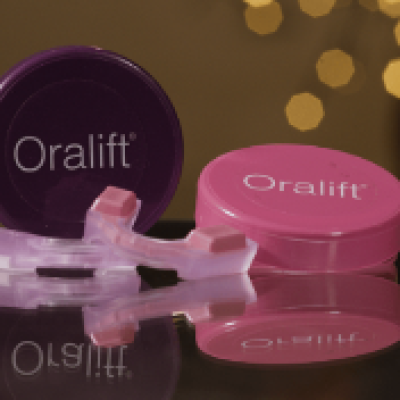
Oralift works by increasing the natural resting space between your teeth, prompting your facial muscles to relax and adapt.
The Touch Test, performed only on wear days, helps you notice whether your teeth are touching the blocks.
Over time, this repeated awareness helps many people adopt a more relaxed resting pattern.
Users often describe:
Every person adapts differently – but awareness is the first step toward change.
People who clench or grind often have muscles that are:
– tense
– overactive
– easily fatigued
– working harder than they need to
Oralift encourages the muscles to recalibrate.
Even very short sessions can stimulate adaptation, which is why some users start with only one or two minutes of wear.
Consistency – and rest – allow the muscles to reset their behaviour gently and naturally.
Oralift is not designed to treat night-time clenching.
However, many users find that as they become more aware of unnecessary tooth contact during the day, they feel more relaxed overall – and this may influence how their face feels at night.
This varies from person to person, and results are individual.
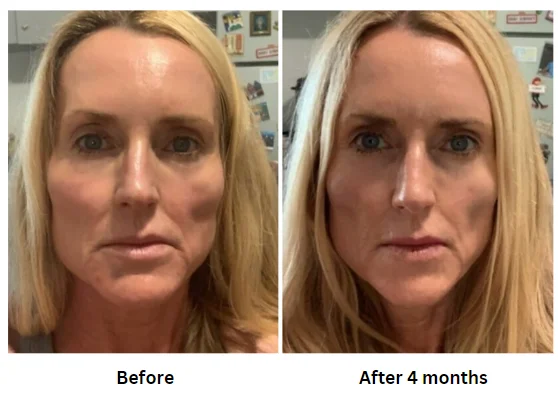
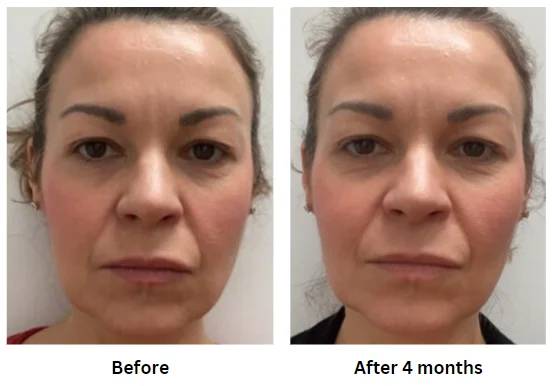
Claudia noticed her face looked softer, more energised, and more relaxed.
Her expression became more open, and she felt her jaw held less tension throughout the day.
Claudia’s Story – Treatment started 12th March 2021
Also listen to Claudia discussing her 4 month results with Dr Mohindra. Claudia Glows discusses her 4 months results with Dr Nick
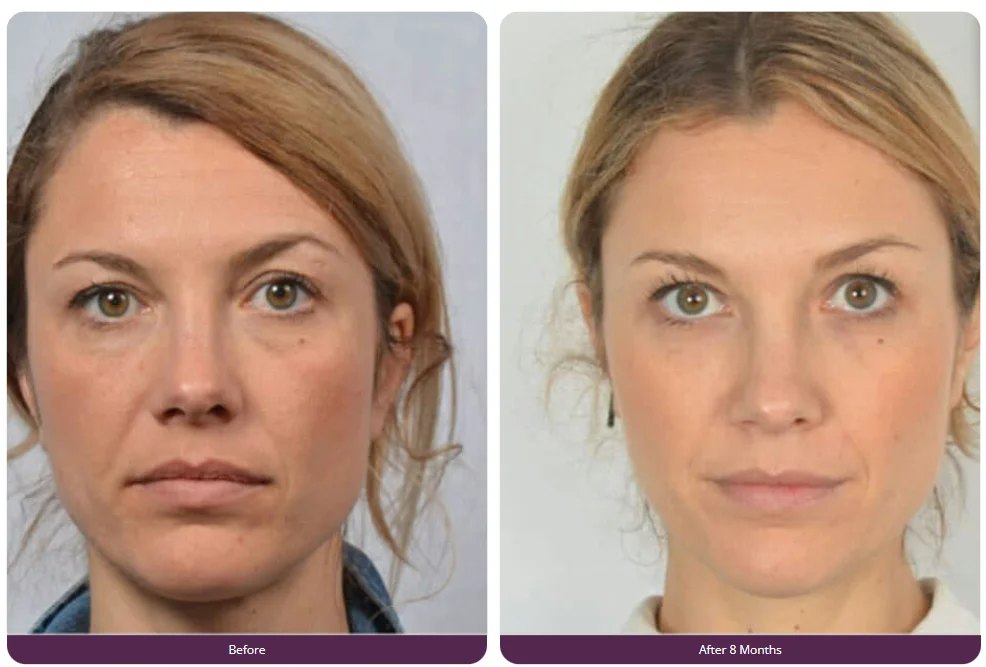
Federica felt her jaw was “constantly holding.”
With Oralift, she found her facial muscles adapted gradually, and her expression became more relaxed and balanced. Federica’s Story
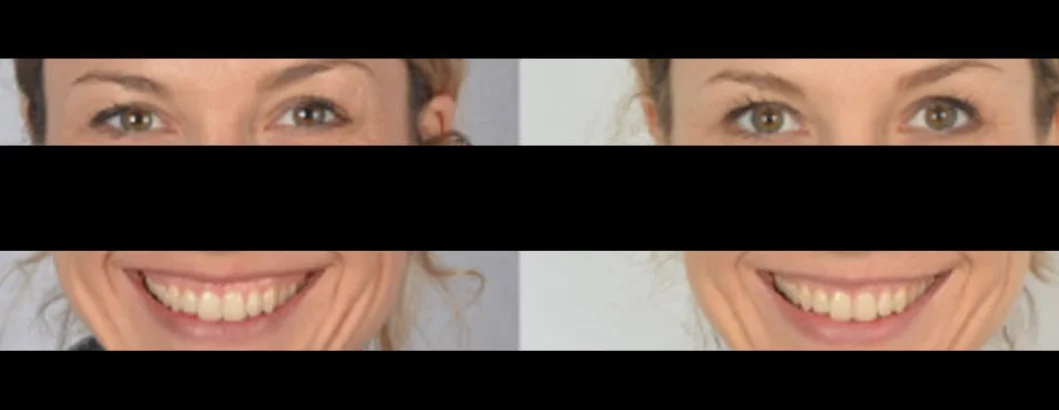
Claire had been living with jaw tension and discomfort for more than 10 years.
She described feeling noticeably more at ease very quickly when she began using Oralift – a change she had not experienced before. Clare’s Story started 16th Feb 2023
Note from Oralift:
If you have a diagnosed jaw condition or are receiving treatment for jaw-related concerns, we recommend using Oralift under the guidance of your dental professional.
Oralift works very differently from repetitive-force techniques like mewing.
Because Oralift uses short, gentle wear periods followed by rest, it avoids the continuous muscle loading that some people find difficult to tolerate.
Oralift is a general wellness device. It is not intended to diagnose, treat, cure, or prevent any medical condition such as bruxism or TMD. User experiences reflect personal wellness responses and may vary